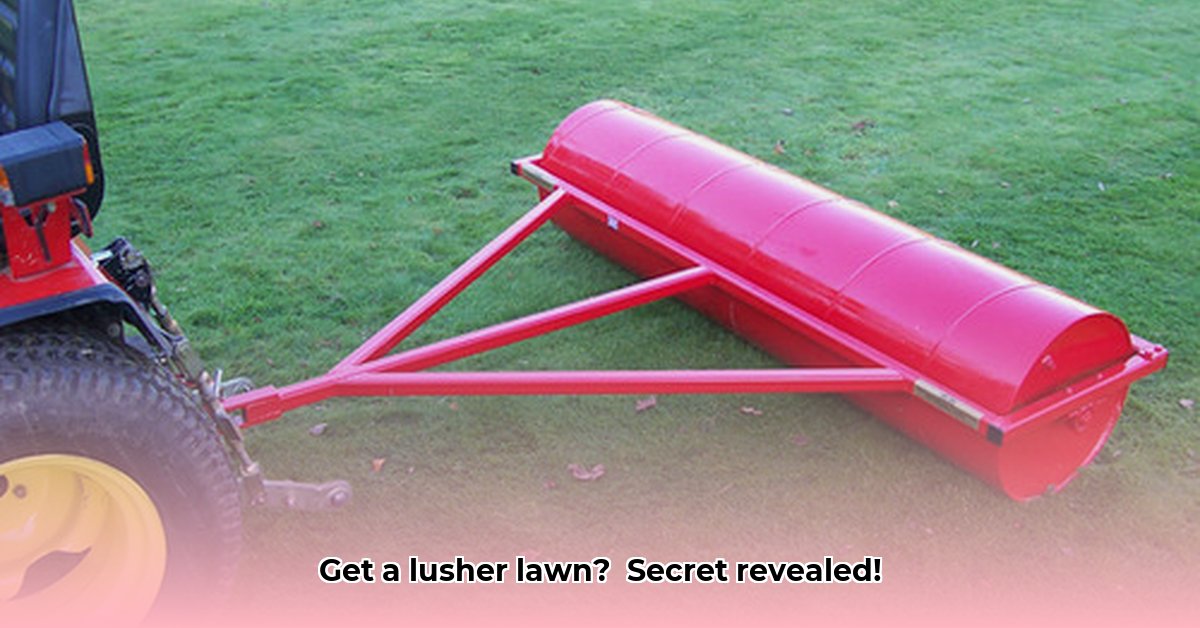
Lawn Rollers at Tractor Supply: Leveling Up Your Lawn's Sustainability
Dreaming of a vibrant, healthy lawn without harming the environment? Using a lawn roller from Tractor Supply offers a surprisingly effective, sustainable solution. Beyond creating neat stripes, lawn rollers contribute to a healthier, more eco-friendly lawn care routine. Let's explore how. For more options, check out Tractor Supply's selection.
How Lawn Rollers at Tractor Supply Boost Your Lawn's Green Game
Maintaining a picture-perfect lawn often involves practices harmful to the environment—overwatering and excessive fertilizer use, for example. However, a simple lawn roller can significantly improve your lawn's health and reduce your environmental impact.
By firmly pressing seeds into the soil, a lawn roller dramatically improves seed-to-soil contact. This boosts germination rates, resulting in a thicker, greener lawn with fewer bare patches. This means less wasted seed, saving you money and reducing the need for re-seeding, ultimately lessening your environmental footprint. Furthermore, improved seed germination may reduce the need for supplemental watering, conserving water resources over time. Studies suggest (although further research is needed) that this method can substantially increase germination success rates. Some experts believe this technique can even reduce the need for chemical fertilizers, as healthier lawns are naturally more resistant to diseases and pests.
Choosing the Right Roller for a Greener Lawn
When selecting your lawn roller at Tractor Supply, prioritize materials. Opt for rollers made from recycled materials whenever possible. For instance, steel rollers often utilize recycled scrap metal, reducing their carbon footprint compared to those made from entirely new steel. This seemingly small choice can make a considerable difference.
The roller's weight is also crucial. Heavier rollers generally offer better soil compaction, but consider your soil type. Overly heavy rollers on compacted soil can damage soil structure and hinder lawn health. Research the ideal weight for your soil type, or consult Tractor Supply staff for personalized recommendations.
Rolling Towards a Healthier, More Water-Wise Lawn
Effective lawn roller use involves more than simply rolling back and forth. Follow these steps for optimal results:
- Prepare the Ground: Smooth out any bumps or divots for even compaction.
- Light Watering: Lightly water your lawn beforehand. Moist soil compacts more effectively and minimizes soil damage. Avoid soaking wet conditions.
- Roll Methodically: Overlap each pass slightly to ensure even compaction. Avoid excessive pressure to prevent overly compacting the soil, which can hinder air and water penetration.
- Observe and Adjust: After rolling, check your lawn and adjust your technique as needed. Multiple passes may be necessary, depending on soil type and lawn condition.
Consistent and proper use can lead to numerous benefits, including improved soil drainage, reduced runoff, and a healthier lawn requiring less frequent watering and potentially less fertilizer. These collectively contribute to a more environmentally friendly lawn care routine.
The Long-Term Benefits: A Greener Future
Sustainable lawn care isn’t just about immediate results; it's about cultivating long-term practices. By reducing water and fertilizer use, you lessen your lawn’s environmental impact. This approach doesn't compromise the beauty of your lawn; it simply involves making smarter choices. A lawn roller from Tractor Supply becomes a key tool in a more environmentally conscious approach, allowing you to enjoy a lush, healthy lawn while minimizing your ecological footprint.
HowToReduceWaterWasteUsingLawnRollersInSustainableLandscaping
A lush, healthy lawn doesn't have to come at the expense of the planet. Lawn rollers from Tractor Supply provide a surprisingly effective way to conserve water and promote sustainable landscaping practices.
Understanding the Role of Lawn Rollers in Water Conservation
Traditionally used for smoothing lawns, lawn rollers offer significant water-saving benefits. Compacted soil often leads to poor water absorption and increased runoff. By improving soil-to-seed contact, a lawn roller enhances water penetration which leads to less runoff and more efficient hydration. This results in a healthier lawn requiring less frequent, deep watering, significantly reducing water waste and contributing to sustainable landscaping.
Choosing the Right Roller for Your Needs
Tractor Supply offers various lawn rollers, many made from durable, recyclable materials. Choose a roller appropriate for your lawn size, opting for a tow-behind model for larger areas and a push-style roller for smaller spaces. Consider your lawn's size and your physical abilities when making your selection.
Optimizing Your Lawn Roller Technique for Maximum Water Savings
Maximize water efficiency with these steps:
- Prepare the Soil: Ensure proper soil preparation before rolling, amending it if necessary to improve drainage and aeration.
- Optimal Timing: Roll when the soil is slightly moist but not soggy. Avoid rolling on excessively dry or wet soil.
- Even Coverage: Overlap each pass by about half the roller's width to ensure even compaction.
- Avoid Over-Compaction: Multiple light passes are superior to a few heavy ones; over-compaction can harm the lawn.
- Post-Rolling Care: Gently water after rolling to help settle the soil and encourage seed germination.
Beyond Water Conservation: Other Benefits of Sustainable Lawn Maintenance
Using lawn rollers extends beyond water conservation; it fosters a healthy lawn ecosystem. A healthy lawn requires less fertilizer and pesticides, minimizing your environmental impact. Improved grass health also often reduces the frequency of mowing.
Key Takeaways:
- Improved seed-to-soil contact leads to higher germination rates.
- Enhanced water penetration minimizes water waste and runoff.
- Stronger, healthier grass needs less fertilizer and pesticides.
- More efficient resource use promotes sustainable lawn care.
- Less frequent mowing due to improved grass health.